Learn what backlinks are, why referring domains matter, and how to check backlink quality as a beginner.
Author
Osek.ai Team
SEO learning and tools
Follow:
Discover
Understand how search engines find pages.
Improve
Use page structure and content signals.
Check
Validate changes with free Osek.ai tools.
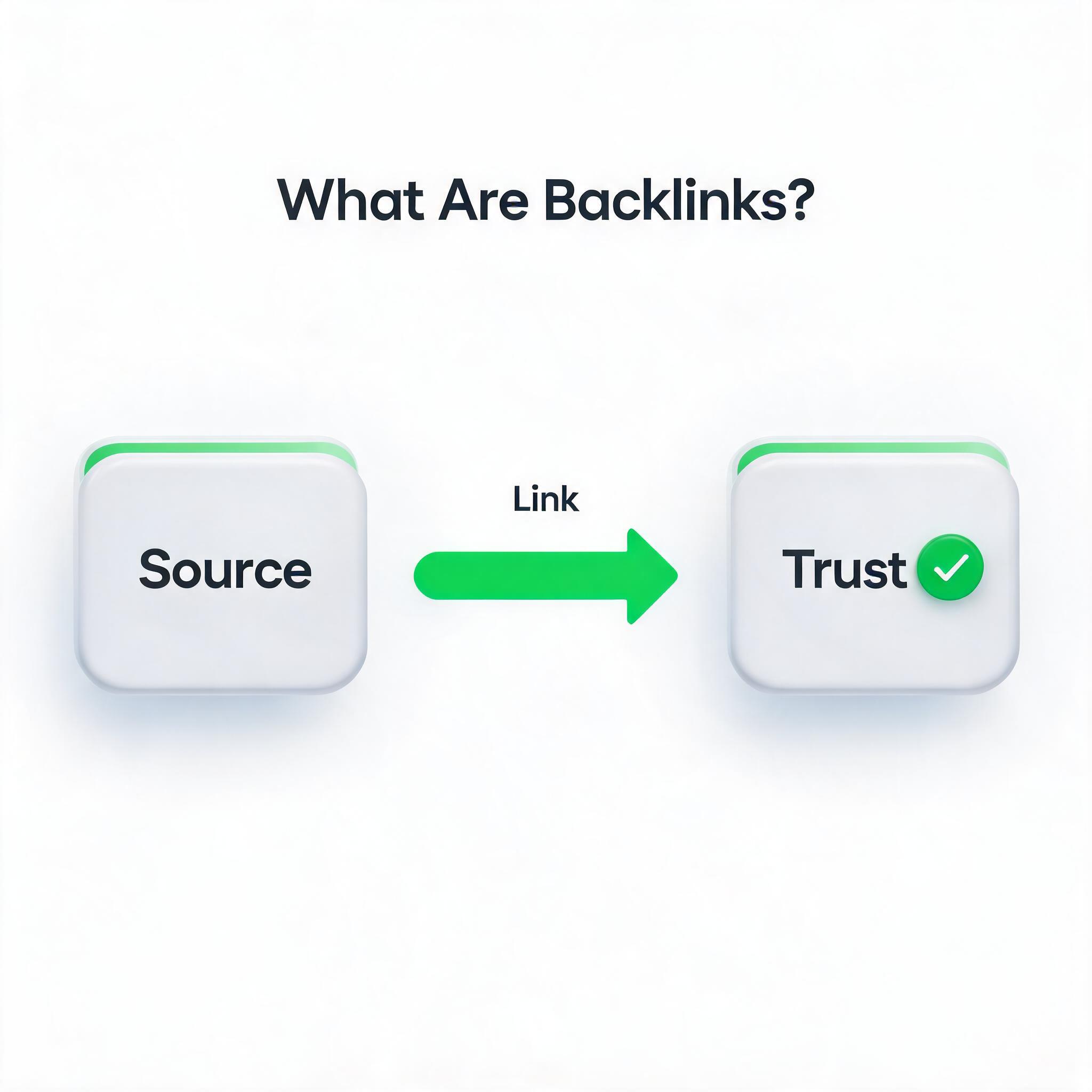
Backlinks are links from other websites to your website. They can help discovery and trust when they come from relevant, credible sources.
Simple Definition
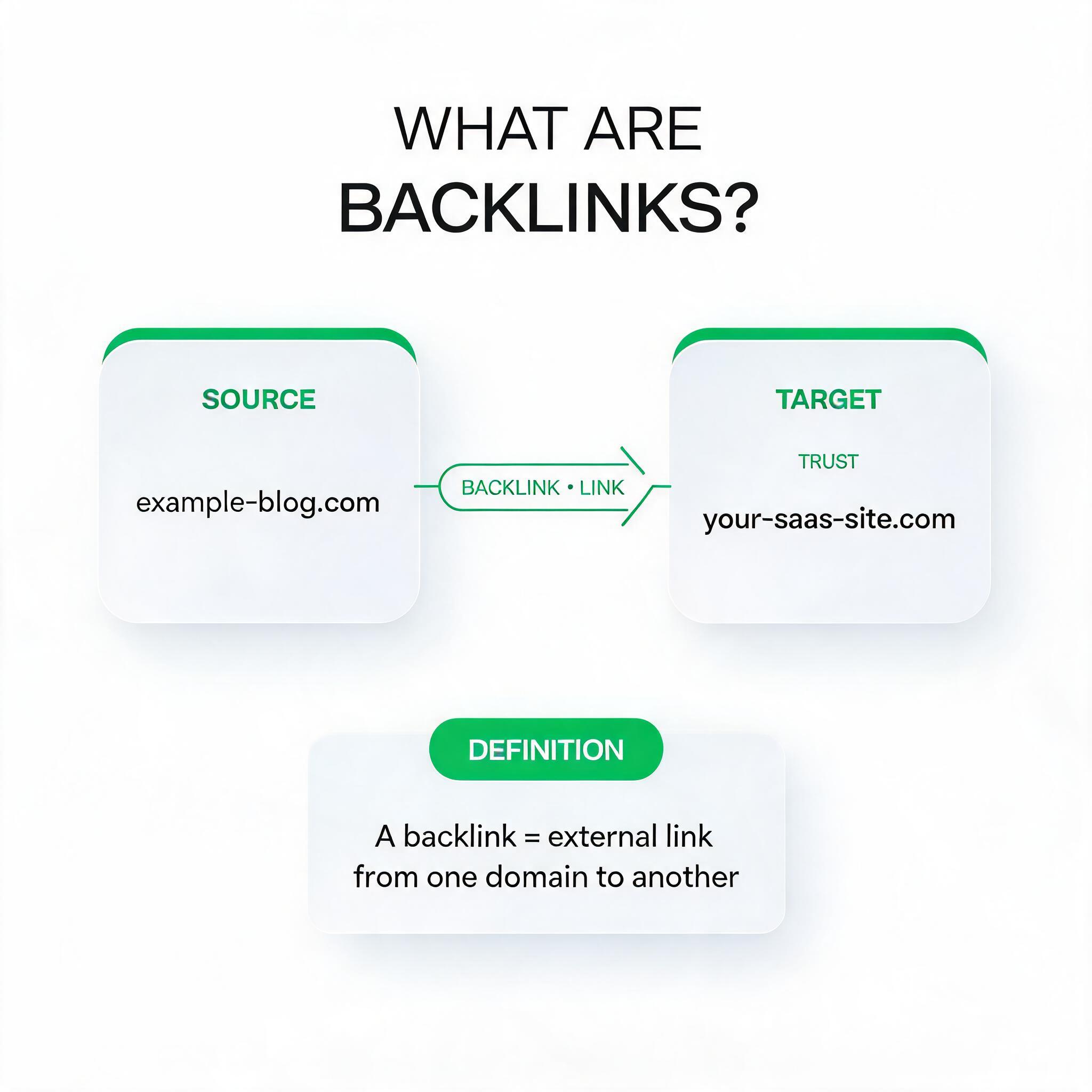
A backlink is an external link that points from one domain to a page on another domain.
In practical terms, what are backlinks? is not an isolated SEO task. It sits inside a simple workflow: understand the searcher, build a page that answers the searcher, then check whether the page gives search engines enough signals to trust and classify it. Beginners often skip the checking step, which is why small issues such as vague titles, weak internal links, unclear examples, or blocked crawling can stay unnoticed for weeks.
The easiest way to use this concept is to connect it to one concrete page. Pick one URL, one target audience, and one search intent. Then review whether the page makes the topic obvious before a reader has to work for it. If the page cannot explain its purpose quickly, search engines and AI answer systems will also have a harder time understanding it.
Why It Matters for SEO
Backlinks can help search engines discover pages.
Relevant links can signal that a page is useful or trusted.
The diversity and quality of referring domains often matters more than raw link count.
Backlinks can help search engines discover pages
For what are backlinks?, this point matters because it turns a general SEO idea into something you can inspect on a real page. Do not treat it as a one-time checkbox. Look at the page, compare it with the searcher's likely expectation, and decide whether the current page gives enough context for both users and search systems.
Relevant links can signal that a page is useful or trusted
For what are backlinks?, this point matters because it turns a general SEO idea into something you can inspect on a real page. Do not treat it as a one-time checkbox. Look at the page, compare it with the searcher's likely expectation, and decide whether the current page gives enough context for both users and search systems.
Subscribe to our newsletter for the latest news and updates
The diversity and quality of referring domains often matters more than raw link count
For what are backlinks?, this point matters because it turns a general SEO idea into something you can inspect on a real page. Do not treat it as a one-time checkbox. Look at the page, compare it with the searcher's likely expectation, and decide whether the current page gives enough context for both users and search systems.
The bigger lesson is that SEO works best when each page has a clear job. A page should not try to satisfy every possible query. It should answer one primary intent well, then support that answer with structure, examples, related terms, and links to the next useful action.
How to Check It
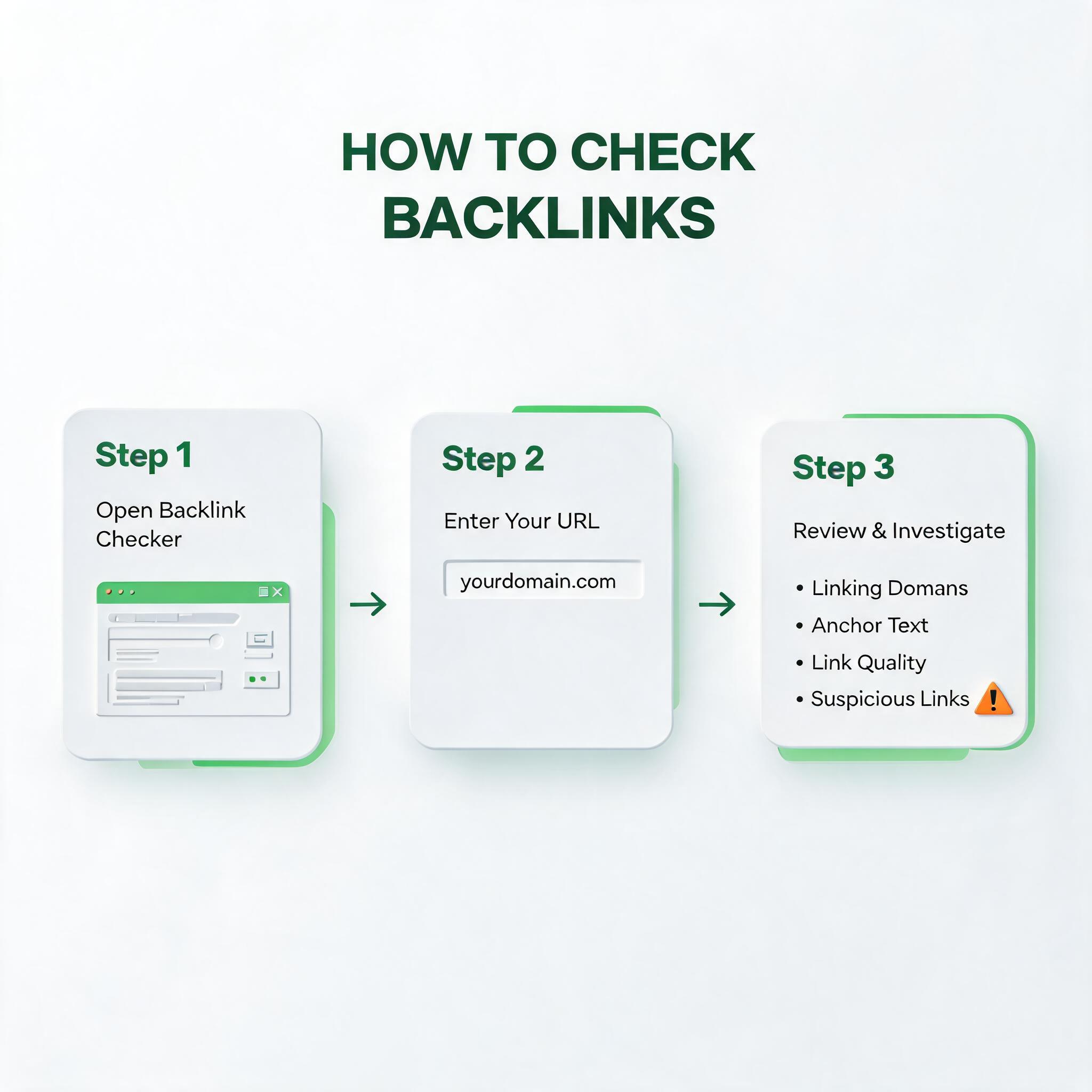
Open the Osek.ai Backlink Checker.
Enter your domain or page URL.
Review linking domains, anchor text, and link quality signals.
Investigate suspicious or irrelevant links before taking action.
Start by checking whether the page topic is visible in the places that matter most: title, H1, introduction, headings, and internal links. These signals should reinforce the same idea instead of competing with each other. If the title says one thing, the H1 says another, and the body answers a third topic, the page is likely too unfocused.
Next, review the page from a beginner's perspective. A useful page explains the concept, shows why it matters, gives an example, and tells the reader what to do next. This is especially important for SEO education content because many readers arrive with partial knowledge. They need definitions, but they also need a path to action.
Finally, check whether the page connects learning to execution. That is where Osek.ai tools fit naturally. The article should teach the idea, then the tool should help the reader inspect their own page, keyword, backlink profile, domain, video topic, or AI visibility.
Example
Weak example: A site receives 500 links from unrelated low-quality directories.
Better example: A site earns 10 links from relevant guides, partner pages, and industry resources.
The better version works because it is specific. It gives the reader a clear expectation and creates a stronger match between the page, the search query, and the next action. Specificity is one of the simplest ways to improve SEO content without making the page longer for no reason.
When editing your own page, compare every important sentence with the weak example and the better example. Ask whether the sentence adds clarity, proof, structure, or action. If it does not, rewrite it or remove it. Strong SEO pages are usually not longer because they repeat themselves; they are longer because they answer more of the reader's real questions.
Common Mistakes
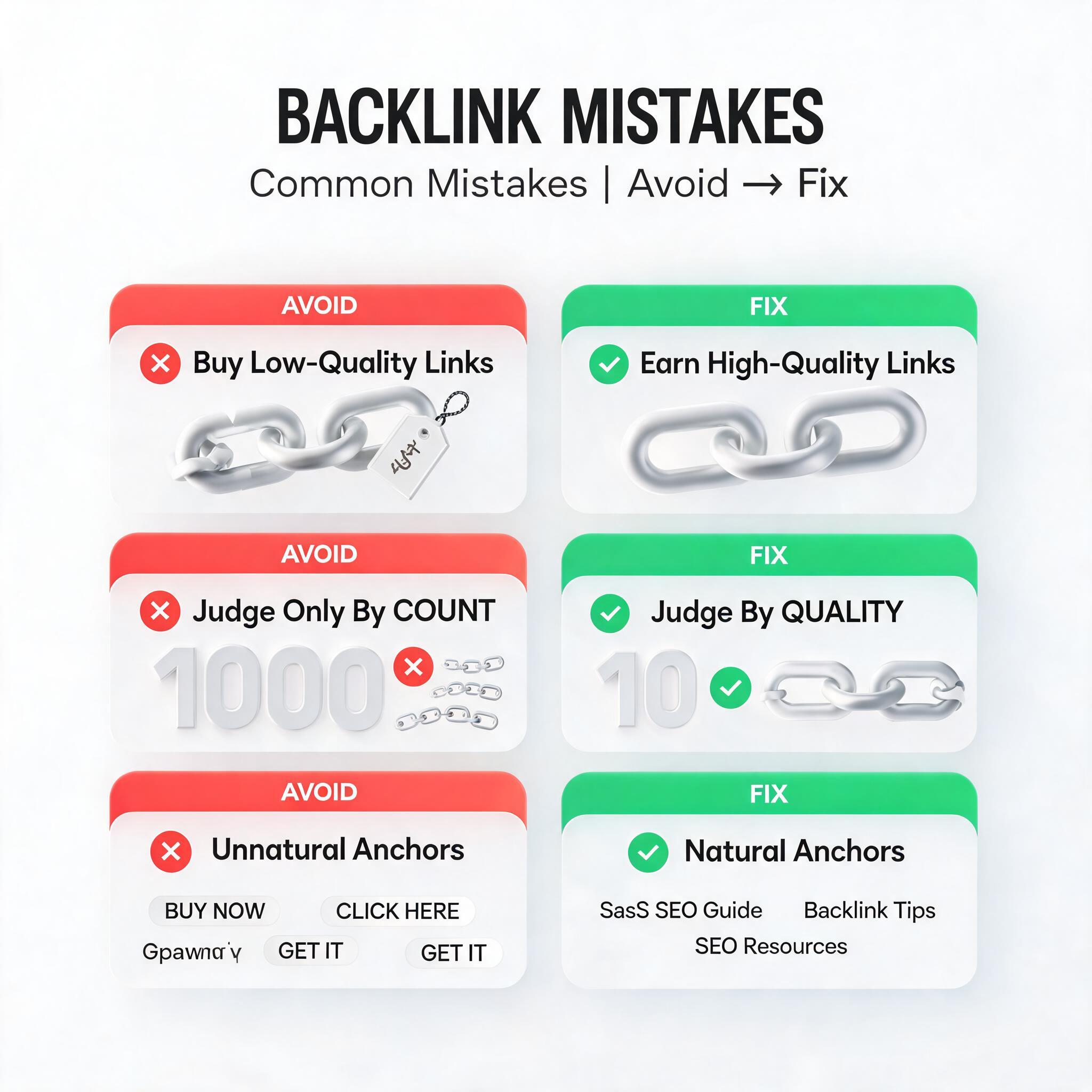
Buying large batches of low-quality links.
Judging backlinks only by count.
Ignoring anchor text patterns that look unnatural.
Buying large batches of low-quality links
For what are backlinks?, this point matters because it turns a general SEO idea into something you can inspect on a real page. Do not treat it as a one-time checkbox. Look at the page, compare it with the searcher's likely expectation, and decide whether the current page gives enough context for both users and search systems.
Judging backlinks only by count
For what are backlinks?, this point matters because it turns a general SEO idea into something you can inspect on a real page. Do not treat it as a one-time checkbox. Look at the page, compare it with the searcher's likely expectation, and decide whether the current page gives enough context for both users and search systems.
Ignoring anchor text patterns that look unnatural
For what are backlinks?, this point matters because it turns a general SEO idea into something you can inspect on a real page. Do not treat it as a one-time checkbox. Look at the page, compare it with the searcher's likely expectation, and decide whether the current page gives enough context for both users and search systems.
Most beginner mistakes come from optimizing one signal while ignoring the full page experience. A keyword can be present but still fail if the answer is thin. A page can load quickly but still fail if the intent is wrong. A backlink can look useful but still be risky if the source is irrelevant. Always interpret tool output in the context of the page's actual goal.
Beginner Workflow
Choose one page or topic to improve.
Write the primary search intent in one sentence.
Check the page against the key signals in this guide.
Fix the highest-impact issue first instead of editing everything at once.
Recheck the page after publishing or updating it.
This workflow keeps SEO work manageable. Instead of chasing every metric, you move from concept to example to tool-based validation. That is the pattern Osek.ai is designed around: learn the SEO concept, see a simple example, then use a free tool to check your own page.
Quick Checklist
Links come from relevant pages.
Referring domains are diverse.
Anchor text looks natural.
Links point to useful destination pages.
Suspicious links are reviewed before disavow decisions.
Use this checklist before publishing a new page and again after major edits. The first pass catches obvious problems. The second pass confirms that your improvements did not create new issues, such as a mismatched title, missing internal link, or unclear call to action.
When to Revisit This
Revisit this topic whenever you publish a new page, update an important page, launch a new tool, or notice that impressions are growing but clicks or rankings are not improving. SEO is not only about initial setup. It is a review cycle where each update should make the page easier to understand, easier to trust, and easier to act on.
For existing pages, do not rewrite everything at once. Start with the page title, introduction, main headings, examples, and internal links. These areas usually create the clearest improvement with the least disruption.
FAQ
Are all backlinks good?
No. Relevant, editorial links are valuable. Spammy, irrelevant, or manipulative links can be risky.
What is a referring domain?
A referring domain is a unique website that links to you. Many backlinks from one domain are not the same as many domains linking to you.
Should beginners build backlinks?
Yes, but start with useful assets, partnerships, directories that truly match your business, and content worth citing.